
Fleet compliance is one of those responsibilities that never goes away. Regulations evolve, expectations increase, and the margin for error continues to shrink. For many fleet operators, staying compliant can feel like a constant balancing act between documentation, safety, and day to day operations.
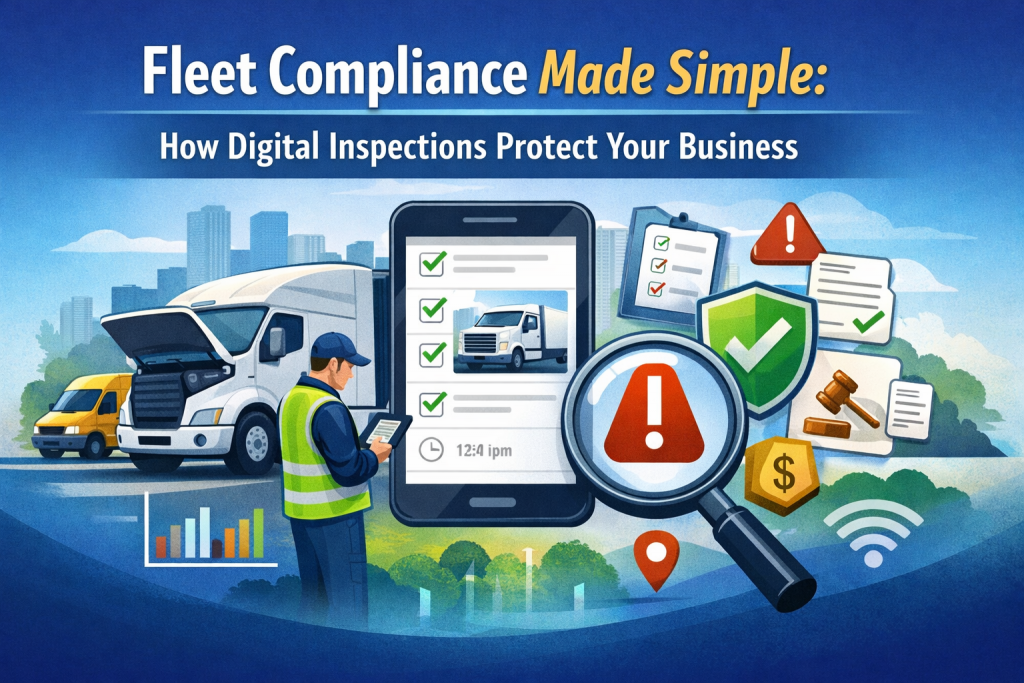
The good news is that compliance does not have to be complicated. Digital inspections are changing the way fleets manage risk, maintain records, and protect their business from unnecessary exposure.
The Hidden Risks of Manual Processes
Traditional inspection methods often rely on paper forms, spreadsheets, or inconsistent reporting. While these systems may seem manageable, they leave room for critical gaps.
Missing inspection records, incomplete reports, and illegible handwriting can all lead to compliance issues. Even worse, when an audit or dispute arises, tracking down accurate documentation becomes time consuming and stressful.
These small inefficiencies can quickly turn into larger liabilities. Fines, legal exposure, and reputational damage are all real risks when compliance is not airtight.
Creating Consistency Across Your Fleet
One of the biggest advantages of digital inspections is consistency. Every driver, technician, or team member follows the same process every time.
Digital workflows guide users step by step, ensuring that nothing is skipped. Required fields prevent incomplete submissions, and standardized formats make reports easy to review and store.
This level of consistency not only improves compliance but also builds accountability across your entire operation.
Real Time Visibility and Control
With digital inspections, fleet managers no longer have to wait for paperwork to be turned in or manually entered into a system. Information is captured and stored instantly.
This real time visibility allows you to:
- Identify issues as they happen
- Address safety concerns immediately
- Ensure inspections are completed on schedule
- Monitor trends across vehicles and drivers
Instead of reacting to problems after the fact, you gain the ability to stay ahead of them.
Stronger Documentation When It Matters Most
When compliance is questioned, documentation is everything. Digital inspection platforms create a reliable, time stamped record of every inspection.
Photos, notes, and condition reports are stored securely and can be accessed whenever needed. This is especially valuable in situations involving:
- Regulatory audits
- Insurance claims
- Damage disputes
- Customer complaints
Having clear, organized records helps you respond quickly and confidently, reducing risk and protecting your business.
Reducing Human Error Without Adding Complexity
Manual processes depend heavily on human accuracy. Digital inspections reduce that burden by automating key parts of the workflow.
Features like prompts, validation checks, and photo requirements help ensure that inspections are thorough and accurate without adding extra steps.
The result is a system that is actually easier to use while delivering more reliable data.
A Smarter Approach to Compliance
Compliance is not just about avoiding penalties. It is about protecting your assets, your team, and your reputation.
Digital inspections simplify the process while strengthening your overall operation. They provide structure without slowing you down and visibility without adding complexity.
For fleets looking to stay competitive and reduce risk, moving away from manual inspections is not just an upgrade. It is a strategic decision.
Final Thoughts
As regulations continue to evolve, the ability to adapt quickly becomes a major advantage. Digital inspections give you the tools to stay compliant, organized, and prepared for whatever comes next.
The question is no longer whether fleets should go digital. It is how much longer they can afford not to.
What challenges has your fleet faced with compliance, and how are you currently handling inspections?